
SC-900: Knowledge Library & Illustrated Guides
Find a lesson, explanation or study reference within this exam.
Search covers this exam’s lessons, illustrated guides and published study references.
 ORIGINAL GUIDE
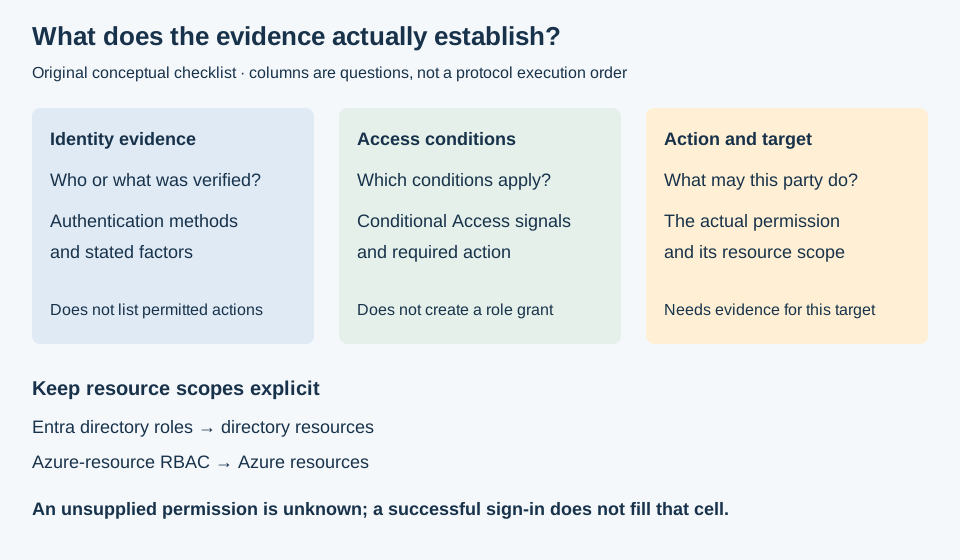
Authentication vs Authorization: Read the Evidence Before Explaining Access
A successful identity check answers one question; a permission claim needs evidence about an action and its target.
Read the illustrated guide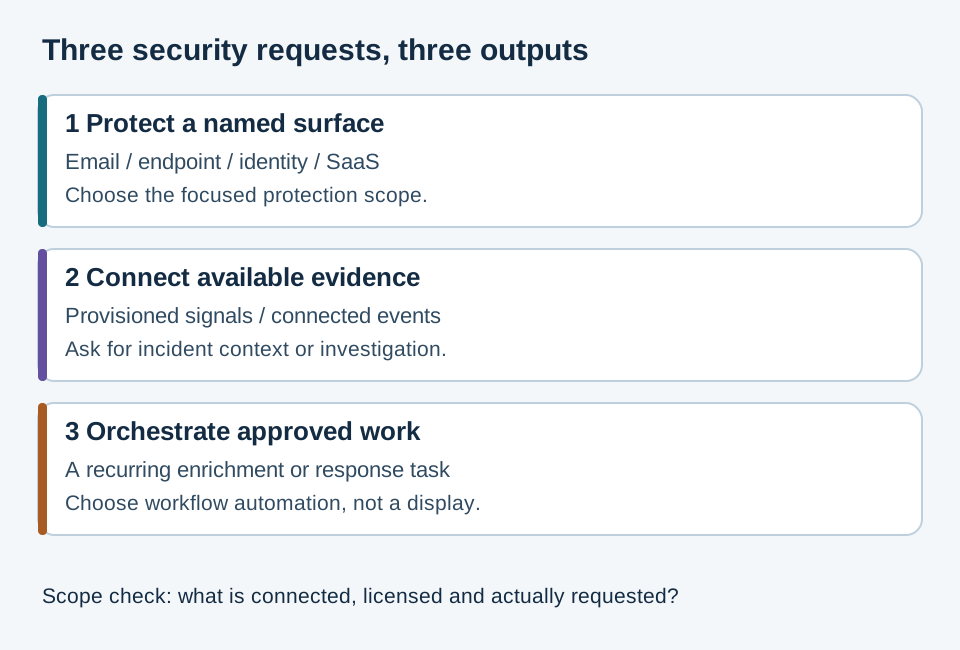 ORIGINAL GUIDE
Defender and Sentinel: Write the Evidence Handoff Before Choosing a Tool
A three-request clinic for focused protection, joined incident context and a recurring response workflow.
Read the illustrated guide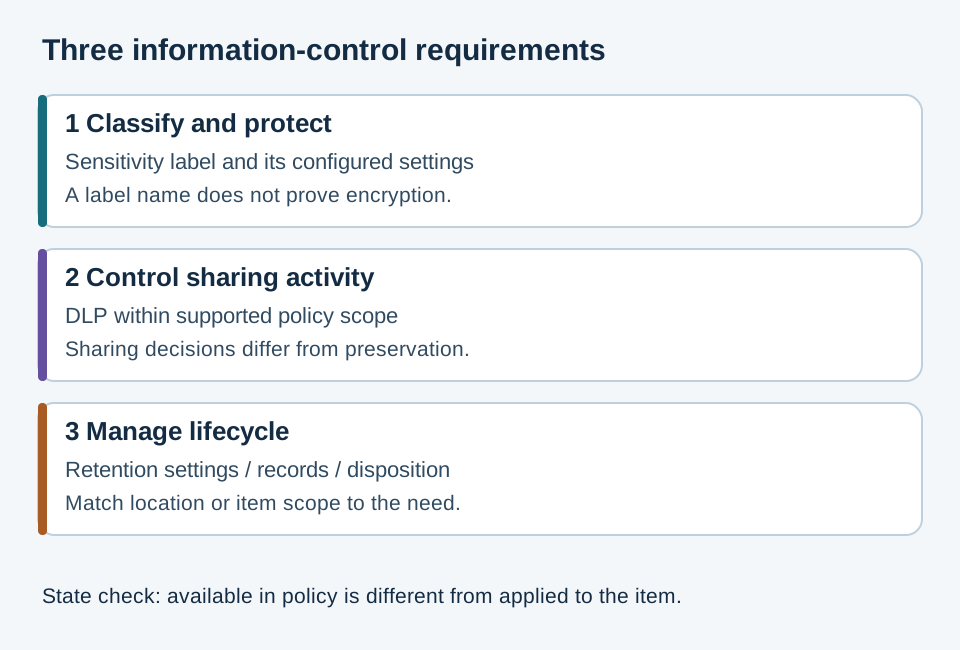 ORIGINAL GUIDE
Sensitivity, Retention and DLP: Review a Document’s Requirements Separately
An evidence clinic for three control purposes and the difference between an available label and an applied setting.
Read the illustrated guide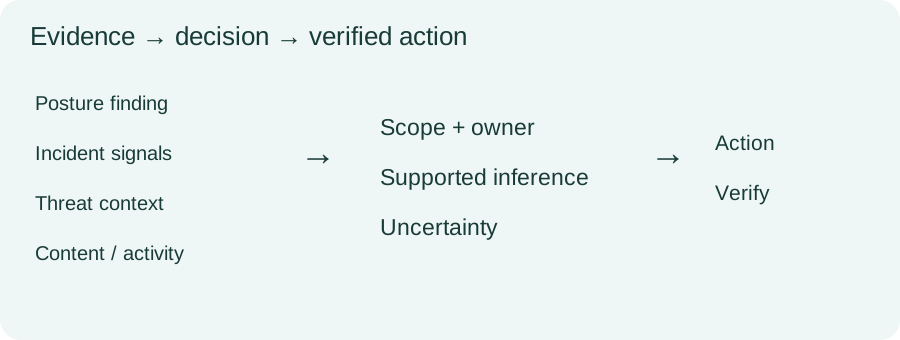 ORIGINAL GUIDE
Security Evidence Is Not a Verdict: Connect Findings to the Right Decision
Separate posture recommendations, incident signals, threat context and data-classification evidence.
Read the illustrated guideOriginal guides explain selected concepts using retained source references, new examples and original diagrams. They are teaching resources, not video transcripts or official exam papers.